How we work
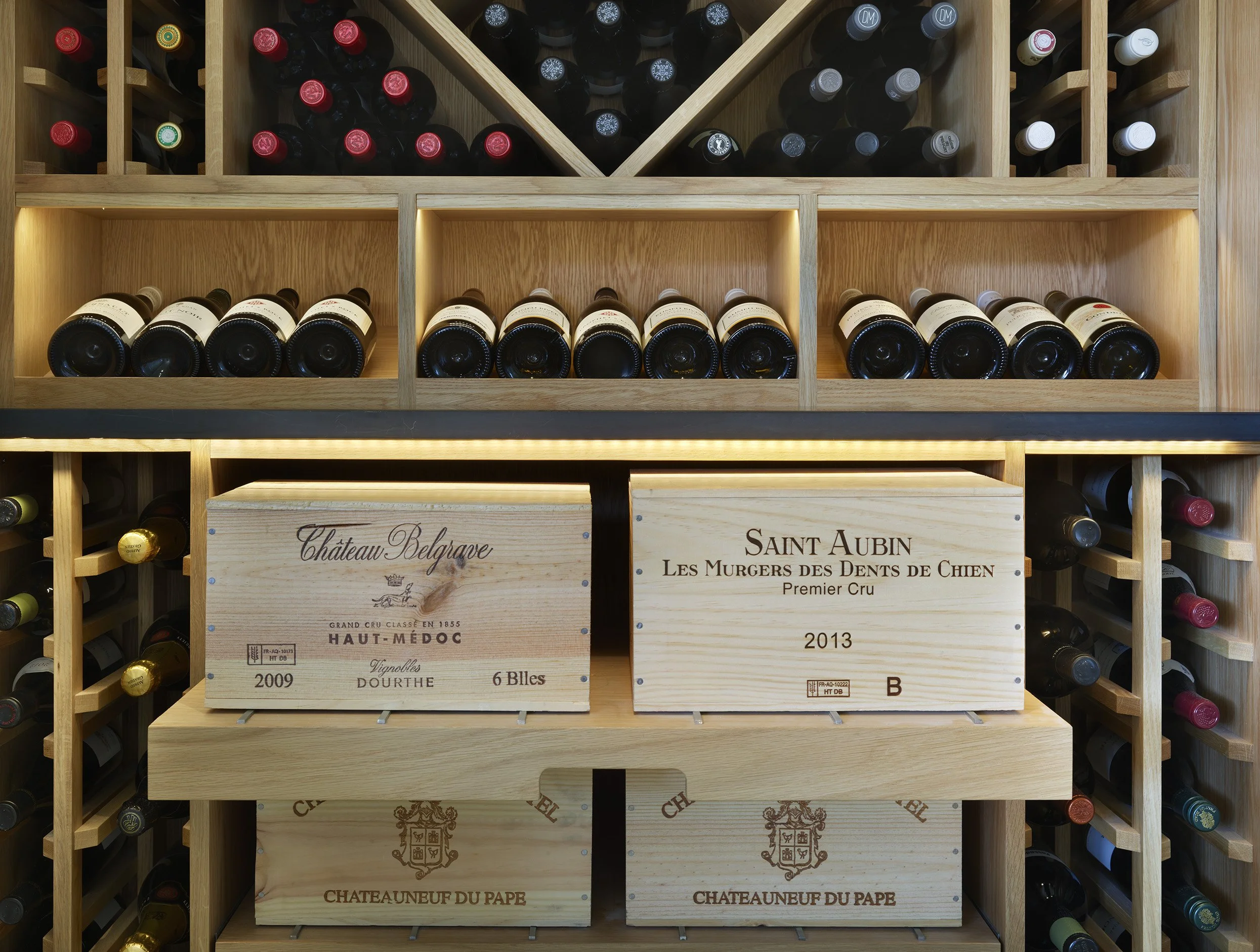
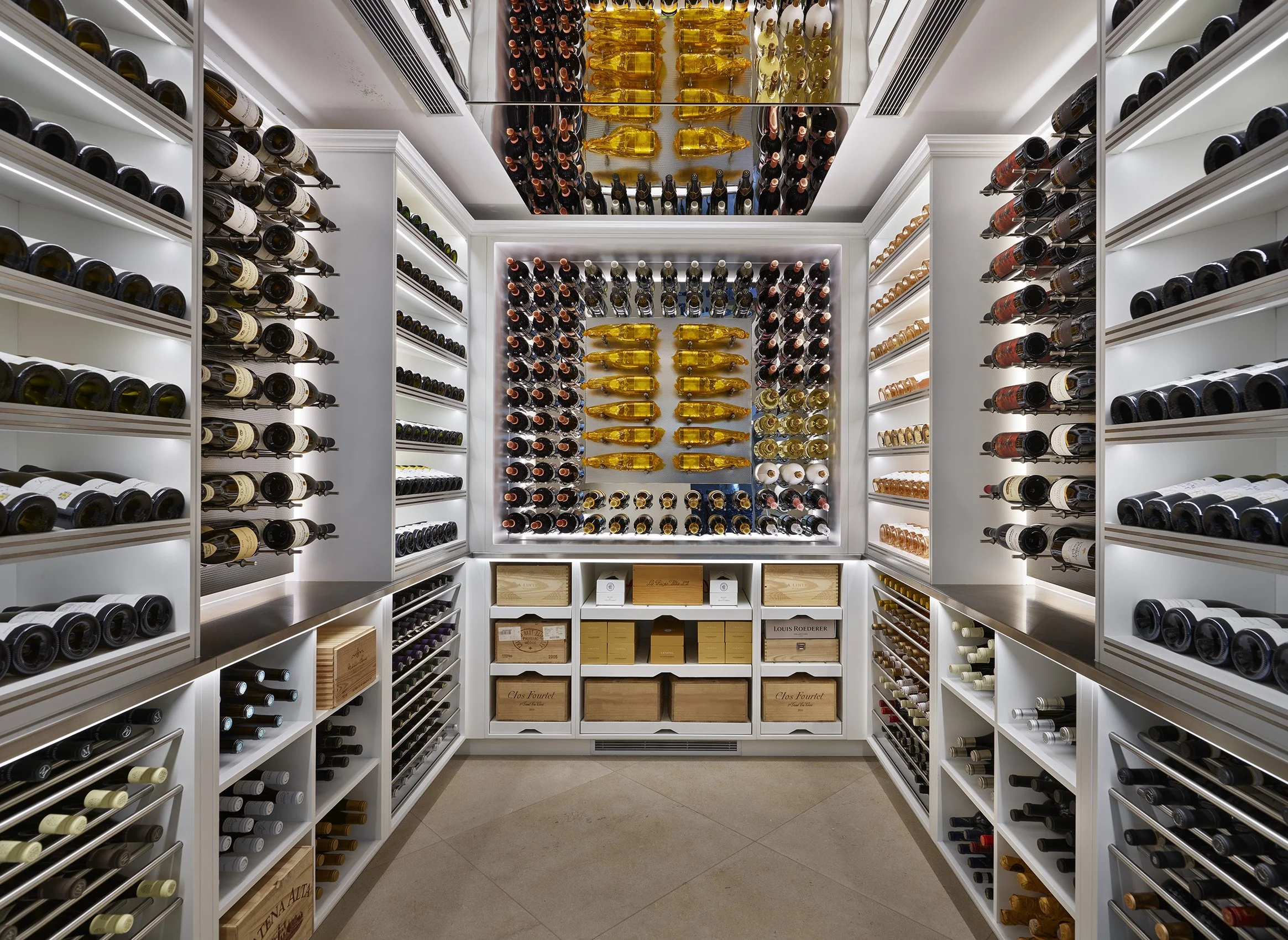
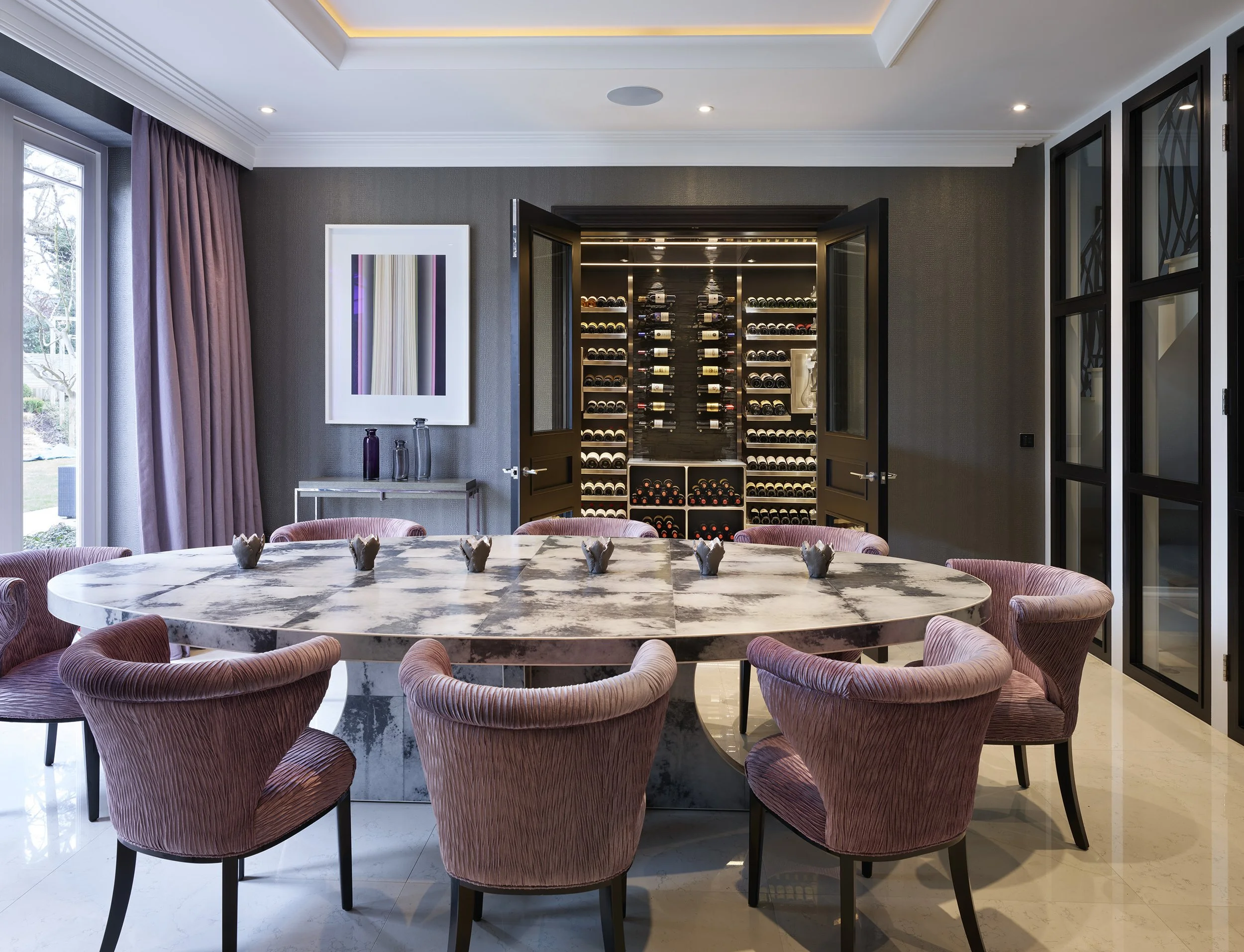
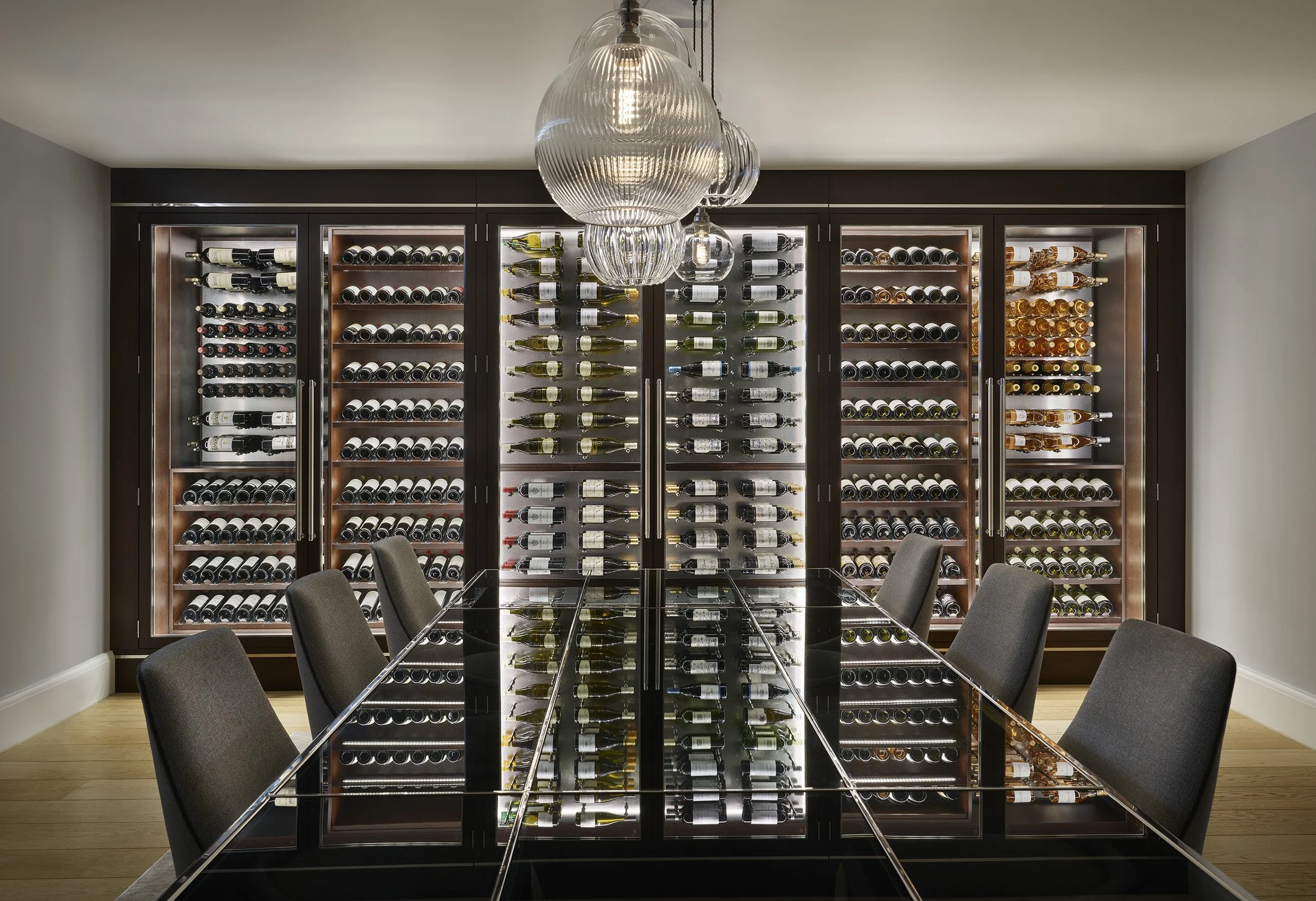
We collaborate with a wide spectrum of clients, including architects, interior designers, contractors, developers, hospitality professionals and private clients on cellar designs of all shapes and sizes - from sleek, contemporary display walls to traditional vaulted cellars, intimate whisky and cigar snugs and sparkling cocktail bars. Whether designing for a private residence or a commercial hospitality environment, we understand that each project presents unique requirements.
Our end-to-end design service spans from post-brief concept through to build specification, with every stage grounded in a deep understanding of wine storage principles—temperature control, humidity, bottle orientation, and spatial optimisation.
Our process is thoughtfully structured to integrate seamlessly with the RIBA Plan of Work, allowing for effortless alignment with broader architectural and construction programmes.
Phase A:
Initial consultation and brief
Initial consultation
Our initial consultation is a complimentary, no-obligation meeting designed to establish a clear understanding of the client’s requirements, aesthetic aspirations, and any architectural or site-specific constraints. This briefing typically involves a review of existing plans and drawings, particularly for new-build properties, and may take place in person, or remotely via phone and email where appropriate.
This stage aligns with RIBA Plan of Work Stages 0 and 1.
Outcome:
A formal confirmation of the design brief, accompanied by a detailed fee proposal outlining the agreed scope of work, structured in clearly defined phases.
Phase B:
Design concept and visualisation
Concept design
Following the initial consultation and acceptance of our fee proposal, a deposit is required to commence Phase B. This stage begins with a detailed site survey and an in-depth briefing session with your dedicated Design Consultant who will work closely with the client team to define key project parameters—including functional requirements, capacity, timeline, aesthetic direction, and target build budget. We also proactively identify and account for factors that may not be immediately apparent to the client or their representatives, ensuring a fully considered design approach.
The brief is then used to develop an initial design concept supported by high-quality visualisations which is presented to client team for comment and approval. Details, finishes and material recommendations are all introduced at this stage and the client is presented with a polished render to make visualization of the finished project easy to understand.
The concept is then refined based on feedback and further developed as required, leading to a final design package prepared for formal client sign-off.
This stage corresponds with RIBA Plan of Work Stages 2 and 3.
Outcome:
Finalised concept design with presentation visuals and preliminary material specification.
Phase C:
Detailed design, materials & technical specifications
Detailed design specification
Upon completion of Phase B, and subject to the agreed project scope, we will request payment to proceed with Phase C. This stage involves final refinements to the approved design, incorporating any client feedback and addressing site-specific constraints or anomalies identified during earlier stages.
The objective of Phase C is to develop a fully detailed and technically robust design package—sufficient for pricing, tendering, and coordination with wider project teams.
This stage aligns with RIBA Plan of Work Stage 4 and typically includes, but is not limited to:
Detailed design drawings
Material and finish specifications
Enabling works specifications and guidelines for main contractors
Lighting, power, and services layouts and specifications
Full climate control installation drawings with servicing recommendations
Recommendations for specialist equipment and suppliers
Outcome
A comprehensive technical design package, enabling accurate pricing, tendering, and seamless integration into the wider construction programme.
Phase D (optional):
Pricing and construction advisory oversight
Advisory supervision (optional)
Following the completion of the design stages, Phase D offers an optional advisory role to help ensure the integrity and quality of the final build. The purpose of this phase is to maintain consistency in the interpretation and execution of the approved design throughout the construction process—supporting manufacturers, contractors, and the broader project team to deliver the intended result to the highest standard.
This may include responding to tender queries, participating in manufacturing workshops, attending site meetings, and providing clarification to the project architect or designer as needed.
Phase D aligns with RIBA Plan of Work Stages 5 and 6 and is offered as an additional service. Fees for this phase are charged at an hourly rate, with travel time and disbursements billed separately. All Phase D fees are payable in advance.
Outcome:
Expert advisory oversight during the construction phase to support faithful execution of the design and ensure the desired quality of finish is achieved.